The fascinating Psychology of Design: In what ways Interior Spaces Affect Mood
The surroundings we live in has a significant impact on our feelings and overall health. Interior design is not just about looks; it plays a vital role in shaping our emotional state, output, and comfort. Whether you are stepping into a warm living room created for rest or a lively kitchen that inspires cooking innovation, the careful arrangement of colors, materials, and environment can considerably affect how we perceive and engage with our surroundings.
In the past few years, the science of design has gained significant attention as more people seek to create environments that show their character and enhance their quality of life. From designing compact areas that maximizes functionality and style to the use of color theory that elicits emotions, every aspect is important. Factors like natural light and eco-friendly options are not just trends, but critical factors in crafting spaces that are both beautiful and nurturing. As we investigate various interior design approaches, we will uncover how simple changes can convert our spaces into sanctuaries that promote ease, creativity, and community.
###Designing Inviting Spaces
Creating a cozy area commences with a considerate layout that encourages intimacy and closeness. Begin by positioning furniture in a way that invites conversation and intimacy. Group seating areas with cozy chairs and sofas around a focal point, for example a fireplace or small table. Use inviting, comforting materials such as plush textiles and warm hardwoods to boost the overall warmth of the room. Making sure that the area feels cozy, for example with rugs or carefully arranged plants, can help create an setting that nurtures relaxation.
Textural layering is key to attaining coziness in any interior. Blend various textures, such as knitted throws, soft cushions, and smooth surfaces, to create depth and intrigue. Incorporate soft lighting, including bedside lamps or string lights, to create a gentle glow that makes the space feel comfortable. Additionally, enhancing the room’s design with personal items, like photos or cherished decor pieces, can add uniqueness and enhance the cozy ambiance.
In conclusion, consider the role of scent and sound in crafting a cozy environment. Adding elements including scented candles or essential oil diffusers can evoke feelings of comfort and relaxation. South Florida Interior Designer or the soothing hum of nature sounds can further elevate the mood. By thoughtfully selecting and blending these elements, you can change any area into a cozy retreat that supports both the body and the mind.
Hue Psychology in Interior Design
Hue plays a vital role in designing interiors, influencing emotions and behaviors in profound ways. Different hues evoke distinct feelings; for instance, warm tones like crimson and orange can create a sense of energy and excitement, while colder shades such as azure and green promote calmness and relaxation. Understanding the psychological impact of hues enables designers to create spaces that cater to the desired mood, whether it’s a vibrant living area for hosting or a serene bedroom for sleep.
In addition to the psychological effects, color also impacts the perceived dimensions and ambiance of a space. Brighter colors can make a small room feel larger and more spacious, while deeper hues can create a comfortable, warm atmosphere. Designers often use this principle to mold the physical dynamics of interiors, ensuring that each space serves its intended purpose. By selecting colors strategically, they can enhance functionality while preserving aesthetic appeal.
Furthermore, the integration of color can be a powerful tool in crafting a unified design narrative throughout a house. South Florida Interior Designer -planned palette brings together various spaces, linking them visually and psychologically. Designers may choose to create accent walls or incorporate vibrant decor elements that reflect the owner's style, fostering an environment that feels both thoughtfully designed and personal. The careful thought of color ultimately contributes to a balanced and welcoming atmosphere.
Eco-friendly Design Trends
Eco-conscious design practices are increasingly influencing the way we approach interior spaces, emphasizing the importance of eco-friendly options in our homes. This method focuses on the use of renewable resources, energy-efficient systems, and sustainable methods that reduce our carbon footprint. Designers are integrating reclaimed wood, recycled materials, and organic fabrics into their designs, creating aesthetic interiors that also honor the natural world. By choosing these materials, homeowners not only design elegant spaces but also contribute to a healthier planet.
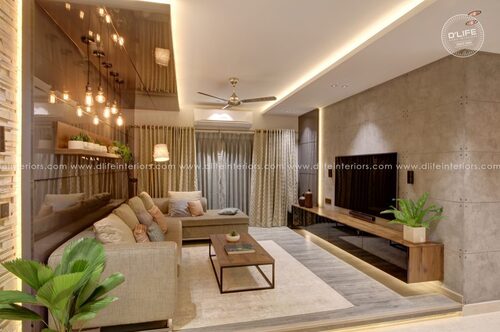
Additionally significant trend in sustainable design is the focus on natural light. Designers are maximizing window locations and using translucent fabrics to increase sunlight entry, lowering the requirement for manmade lighting during the daytime. This not only lowers energy consumption but also enhances well-being by connecting occupants with the natural environment. Biophilic design elements, such as indoor plants and living walls, are becoming commonplace, fostering a feeling of tranquility and grounding in homes while improving air conditions.
Furthermore, the movement towards minimalism supports sustainability, as it encourages people to focus on quality over quantity. By decluttering and curating their belongings, homeowners can create spaces that are not only stylish but also less wasteful. This shift towards sustainable and minimalist design is paving the way for interiors that reflect personal aesthetic while being mindful of ecological impacts, making it a vital trend in contemporary interior decoration.